From researcher to CEO: “I had to learn as I went along”
Publication date: 10-11-2026
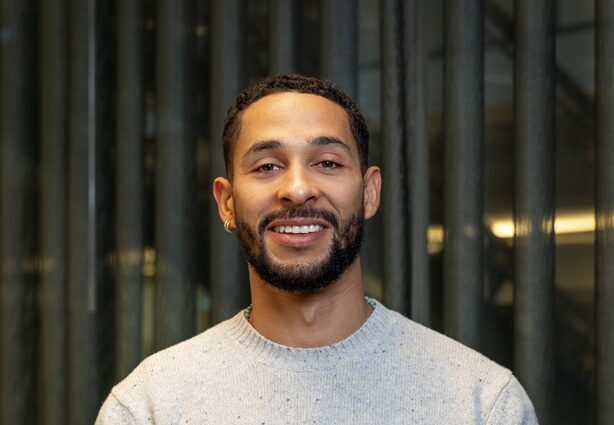
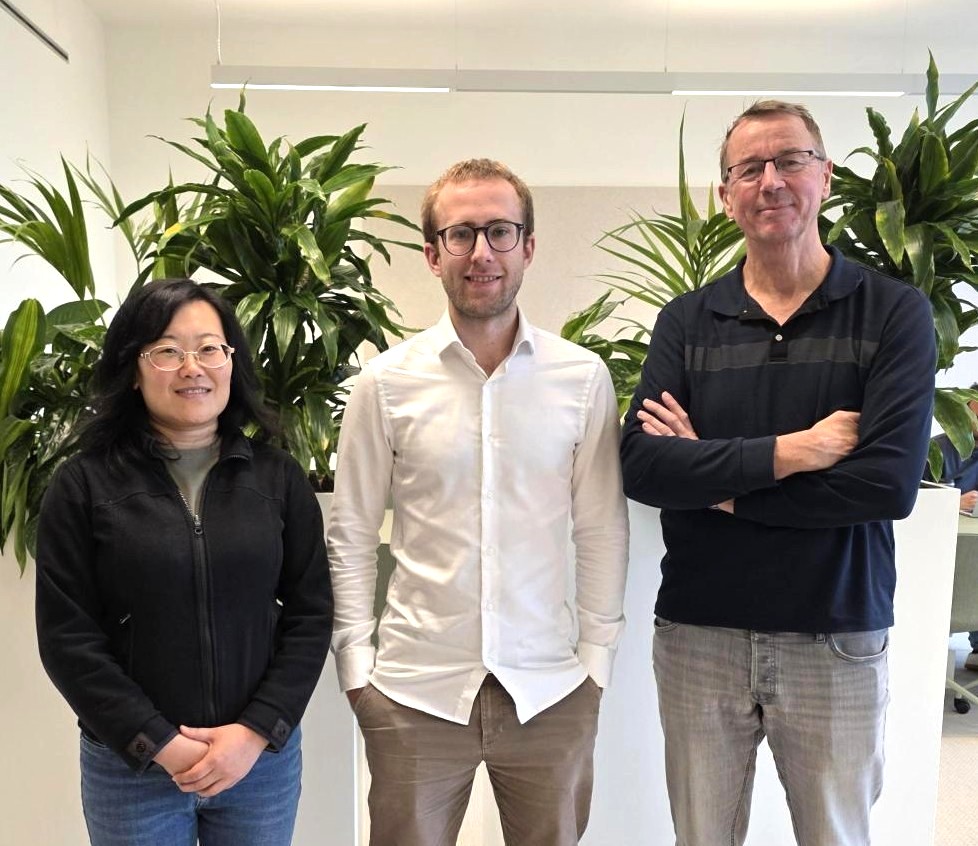
Meet Nano Hybrids, a University of Amsterdam (UvA) start-up that develops technology for sensors capable of detecting things such as forest fires. CEO Olivier Lugier explains the potential of this technology and how he is growing into his entrepreneurial role. And, of course, you don’t build a successful business on your own.
Nano Hybrids develops sustainable nanoparticles that can make gas sensors more sensitive and compact. This can help to monitor air quality in cars, protect factory workers from toxic gases and detect forest fires earlier. The technology has its origins in the UvA laboratory.
Olivier Lugier explains: “Our production technology can develop slightly different nanoparticles for each sensor, which could be used to make a gas sensor with, for example, eight different sensors.” The latter ensures precision and fewer false alarms in a wide range of applications.
Building a business
“The transition from research to building the company happened in several phases,” Lugier explains. The researchers first discussed their startup idea with IXA. Lugier: “They were quite supportive and helped us carry out a feasibility study. We looked whether there is a market opportunity, where we could get the funding, and what exactly we had in mind.”
According to Lugier, finding early funding for the company was quite similar to writing grant proposals as a researcher. However, the business aspects of the company were new to him, such as talking to potential customers, building partnerships, and dealing with the finances. “It’s hard to be good and efficient at it”, says Lugier. ” “I had to learn as I went along”.
More applications in biotechnology
Nano Hybrids is also developing a focus on biotechnology applications. The large surface area and magnetic properties of the nanoparticles could be used in research to effectively extract proteins or DNA. In the future, Lugier and his colleagues may also explore their use in diagnostics.
Success is down to many people
Nano Hybrids was not built by one person, Lugier emphasises. Many different people participated and helped along the way, including his cofounder Stefania Grecea, the university, employees, interns, and other startups. “They all contributed and supported me. I’m very grateful for that, because there is so much to do that it can never be a one-person job.”